
Music Tempo and Table Turnover: How QSRs and Fast Casuals Engineer Flow
Discover how strategically increasing background music tempo can optimize seating efficiency and throughput during peak restaurant rush hours without causing staff burnout.
A
Arjun Varadaraj
Published
Read Time
12 min read
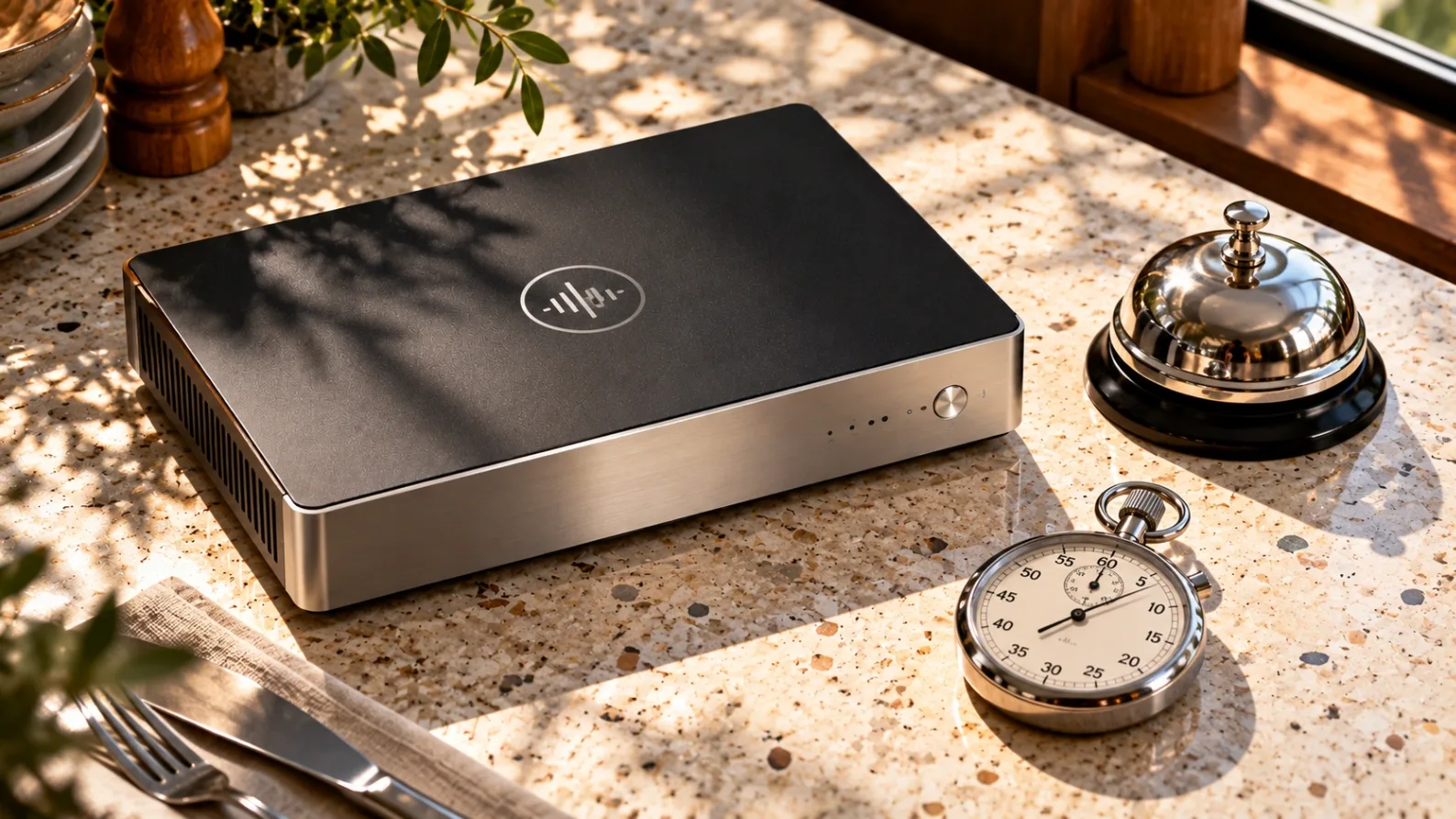
In the hyper-competitive Quick Service Restaurant (QSR) and fast-casual sectors, profitability is measured in minutes. During a peak lunch rush, maximizing seating efficiency and throughput is the difference between a highly profitable shift and a severely bottlenecked kitchen. While operators obsess over digital menu boards and kitchen display systems, they frequently overlook one of the most powerful, invisible operational levers available: commercial audio. Understanding the direct correlation between restaurant music tempo and table turnover allows operations teams to subconsciously engineer customer flow and dining duration. This article breaks down the empirical behavioral science behind acoustic pacing, the severe operational risks of blasting high-tempo music all day, and how modern enterprise platforms autonomously shift gears to maximize revenue without burning out frontline staff.
1. The Science of Rhythm and Dining Duration
Subconscious Pacing: Decades of empirical behavioral research consistently demonstrate a profound link between environmental tempo and human physiological pacing. When a restaurant plays music with a high Beats Per Minute (BPM), customers subconsciously adapt their physical actions to the rhythm. They walk to the counter faster, chew faster, and ultimately conclude their meals much more quickly.
Acoustic Density and Arousal: It is not just about raw tempo; acoustic density (the number of instruments and sonic complexity) also increases physiological arousal. A dense, high-tempo pop or electronic track creates a sense of urgency, signaling to the brain that the environment is fast-paced and transient.
The Turnover Metric: By strategically leveraging high-tempo background music for quick service restaurants during peak hours, operations directors can mathematically reduce average dwell time by 10% to 15%. In a high-volume fast-casual environment, shaving just four minutes off an average 30-minute dining duration drastically increases total seating capacity and daily revenue.
2. The Operational Risks of Over-Indexing on Tempo
Acoustic Fatigue for Staff: If high-tempo, urgent music is a powerful operational tool, why not play it 14 hours a day? The answer is staff burnout. A customer experiences the urgent tempo for 25 minutes; a cashier experiences it for an exhausting eight-hour shift. Relentless high-BPM music dramatically increases cognitive load and cortisol levels in employees.
Order Accuracy and Friction: When the acoustic environment is constantly aggressive and fast-paced, communication breaks down. Elevated tempo combined with high volume creates sensory overload, leading directly to a measurable increase in POS order errors, kitchen miscommunications, and overall staff irritability.
Brand Erosion: Furthermore, playing club-tempo music in an empty restaurant at 3:00 PM feels incredibly awkward and immediately erodes the brand's hospitality. Tempo must be deployed tactically as a scalpel, not a sledgehammer.
3. Dynamic Daypart Switching: Managing the Peaks and Valleys
The 12:30 PM Rush: A sophisticated acoustic strategy requires strict, automated dayparting. Between 12:30 PM and 2:00 PM, the system should autonomously transition to a high-energy, 110-130 BPM playlist. This subtly encourages lingering lunch crowds to finish their meals and free up tables for the massive line at the door.
Preserving the Afternoon Vibe: At exactly 2:15 PM, as the lunch rush concludes, the system must mathematically decelerate. The 3:00 PM customer ordering an iced coffee and opening their laptop requires a completely different acoustic environment lower BPM, warmer instrumentation, and reduced density to encourage a comfortable, relaxed dwell time.
Removing Manual Burden: The operational distinction between a chaotic noise floor and a highly engineered atmosphere relies on automation. Frontline managers are too busy expediting food to manually change playlists. Corporate head office must encode these tempo curves into the software schedule.
4. Autonomous Adjustments: The Tringbox Implementation
Moving Beyond the Clock: Advanced AI enterprise music management platforms are moving beyond rigid time-of-day schedules. Tringbox - InStore AI Music serves as a prime architectural example of deploying autonomous, context-aware tempo adjustments.
Triggering on Telemetry: Instead of blindly switching to fast music at noon, advanced systems can eventually ingest live operational telemetry. For instance, if an integrated POS system detects a massive spike in ticket generation, or optical sensors detect a sudden footfall surge at the door, the audio platform can autonomously push the tempo upward to clear the dining room, returning to a relaxed baseline the moment the queue subsides.
Governing the Engine: This level of automation actively turns commercial music from a subjective playlist choice into a highly measurable infrastructure process. A truly mature implementation keeps the creative brand intent perfectly intact while mathematically optimizing the physical flow of the restaurant.
5. The Procurement and Testing Protocol
The A/B Test: Operations teams must not blindly accept marketing claims; they must execute a rigorous physical A/B test. Select two identical high-volume locations. In Location A, maintain a flat, 80 BPM playlist. In Location B, deploy an automated 120 BPM tempo surge during the peak 90-minute lunch rush.
Measuring the Data: Cross-reference the resulting table turnover times and average ticket fulfillment speeds via the POS data. Simultaneously, meticulously collect qualitative feedback from the staff at Location B to ensure the tempo surge did not cross the threshold into acoustic fatigue.
Documenting the Rule: Once the empirical data proves the turnover lift, document the exact BPM parameters, volume ceilings, and daypart triggers as an unbreakable corporate policy before rolling the technology out globally.
6. Frequently Asked Questions (Q&A)
Q: Does increasing the volume also increase table turnover?
A: Yes, louder music makes conversation difficult, which naturally limits lingering and speeds up dining. However, excessive volume drastically reduces overall customer satisfaction and severely impedes staff communication. Modulating tempo is a far safer and more subtle operational lever than aggressively pushing volume.
A: Yes, louder music makes conversation difficult, which naturally limits lingering and speeds up dining. However, excessive volume drastically reduces overall customer satisfaction and severely impedes staff communication. Modulating tempo is a far safer and more subtle operational lever than aggressively pushing volume.
Q: What is the ideal BPM range for a fast-casual lunch rush?
A: Research generally indicates that a tempo between 110 and 130 Beats Per Minute (BPM) effectively increases physical pacing without feeling aggressively like a nightclub, making it the sweet spot for accelerating QSR table turnover.
A: Research generally indicates that a tempo between 110 and 130 Beats Per Minute (BPM) effectively increases physical pacing without feeling aggressively like a nightclub, making it the sweet spot for accelerating QSR table turnover.
Q: How do we prevent staff from becoming exhausted by fast music?
A: Strict algorithmic dayparting is mandatory. The high-tempo surge should be strictly limited to the actual 90-to-120-minute rush window. Outside of that window, the system must automatically decelerate to a comfortable, mid-tempo baseline to give the staff auditory recovery time.
A: Strict algorithmic dayparting is mandatory. The high-tempo surge should be strictly limited to the actual 90-to-120-minute rush window. Outside of that window, the system must automatically decelerate to a comfortable, mid-tempo baseline to give the staff auditory recovery time.
Q: Disclaimer:
This blog is general marketing content and not legal or human resources advice. Operational models and music licensing obligations can vary significantly by corporate structure, physical location, and specific contract. Brands should always rely on their professional legal counsel and internal management for final policy decisions.
This blog is general marketing content and not legal or human resources advice. Operational models and music licensing obligations can vary significantly by corporate structure, physical location, and specific contract. Brands should always rely on their professional legal counsel and internal management for final policy decisions.
Conclusion
The Final Note
In the razor-thin margins of the quick-service and fast-casual restaurant industry, leaving table turnover to chance is an operational failure. By treating background music as a strategic, measurable infrastructure layer rather than mere decoration, operations teams can actively engineer customer flow. Strategically pushing the tempo during peak rushes clears tables faster, while pulling the tempo back during off-peak hours preserves the hospitality experience and protects staff from acoustic burnout. To successfully execute this strategy at scale, enterprises must abandon manual playlists and consumer apps, investing instead in centrally governed, automated audio platforms that mathematically align the rhythm of the room with the precise operational demands of the business.