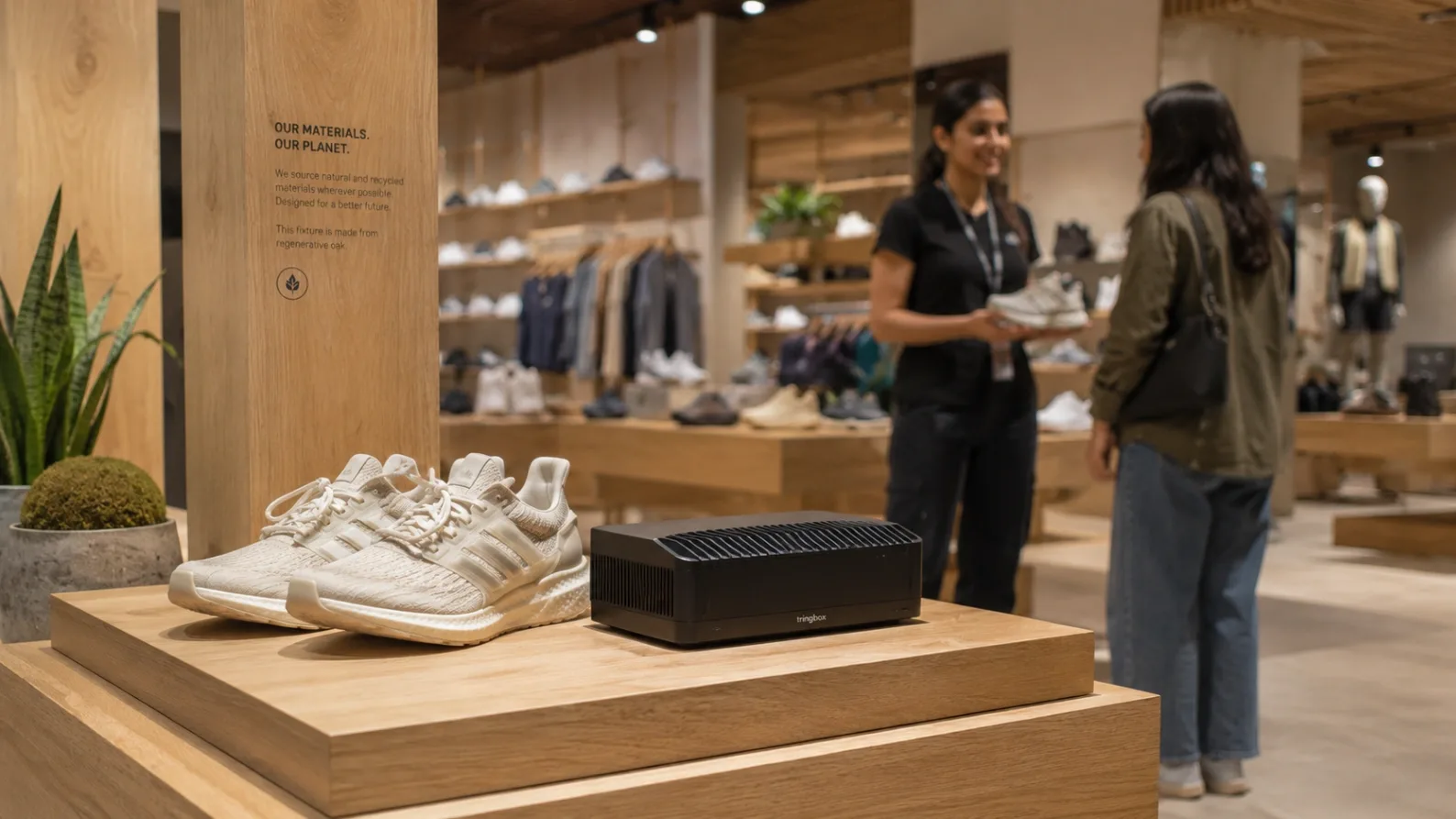
The retail sector is going through a period of deep transformation in 2026. The physical and digital worlds are merging like never before, establishing a new baseline for how brands interact with contemporary consumers. For years, the industry conversation was dominated by the existential threat of e-commerce, but today, physical retail is fighting back by offering immersive, entertaining, and deeply social experiences that an online checkout cart simply cannot replicate. We have officially entered the era of the 'omniconsumer,' where the customer is the only channel that matters, expecting a frictionless flow between digital discovery and tactile, in-store validation. However, capturing this modern consumer requires far more than merely stocking shelves. It requires the deployment of next-generation in-store services, hyper-personalization at scale, and the intelligent integration of both autonomous technologies and intuitive human curation. As commercial spaces rapidly evolve into modular community hubs and experiential showrooms, the underlying operational infrastructure from intelligent visual merchandising to advanced acoustic ambience is being entirely rewritten. This comprehensive analysis explores the defining operational trends of 2026, evaluating how AI-driven automation platforms like
Tringbox and human-centric agility tools like Songbox Music are converging to define the definitive future of the physical commercial space.
1. The 'Phygital' Revolution and the Omniconsumer
The Frictionless Journey: The concept of omnichannel retail is no longer a strategic competitive advantage; it is a basic, foundational expectation. In 2026, there are no longer multiple disjointed channels; there is only the 'omniconsumer'. Customers expect to begin a purchase journey on a mobile device, interact with the physical product in a sensory-rich store, and execute the final transaction with zero friction. This continued 'phygital' integration blurs the lines between digital convenience and physical immersion, utilizing technologies like augmented reality (AR) product try-ons, smart mirrors, and QR-led in-store discovery to seamlessly bridge the online and offline journey. The retail stores that succeed are those that act as interconnected experience hubs, rather than isolated points of transaction.
Experience-First Retail: Because modern consumers can easily purchase daily commodities online, physical retail must provide compelling emotional and social reasons to make the journey to the high street or the mall. Recent industry data highlights this shift, noting that 59% of physical retailers now offer distinct in-store services such as product customization, expert consultations, and repairs while 46% have integrated dedicated spaces for community gatherings and local events. Experience-first retail has officially moved from a niche marketing trend to a mandatory industry standard. Brands are heavily investing in interactive installations, micro-events, and curated product worlds that blend inspiration with a highly tactile shopping environment, ensuring that the physical visit delivers a memorable emotional impact.
Architectural Modularity: To actively support this experiential shift, commercial store design is moving rapidly away from static, fixed formats toward modularity and absolute flexibility. Retailers demand flexible, modular designs that allow for quick, easy rearrangement of the physical space without requiring costly external shop-fitters. This modularity allows a standard retail floor to effortlessly transform into a hybrid event space for an evening product launch or a weekend community workshop. By optimizing the point of sale with flexible architecture and interactive digital displays, brands encourage customers to stay in the store longer, significantly increasing the probability of high-margin impulse purchases while keeping the physical environment perpetually fresh and culturally relevant.
2. Agentic AI and Autonomous Experience Layers
AI as the New Back Office: Artificial intelligence is rapidly consolidating its position as the invisible engine behind modern retail decision-making. While AI was initially relegated to back-office supply chain optimization, 2026 marks the year it deeply infiltrates the live, front-end customer experience. Industry surveys reveal that 34% of retail executives believe agentic AI will fundamentally lift the broader retail ecosystem, driving incremental growth across both digital and physical footprints. This technology allows physical stores to deploy intelligent assistants, generate personalized in-store recommendations based on footfall data, and autonomously manage dynamic pricing, effectively turning raw analytical data into highly relevant, real-time in-store actions that perfectly match immediate consumer needs.
Autonomous Acoustic Architecture: Within this autonomous revolution, acoustic spatial design has emerged as a critical front-line technology. Platforms like Tringbox AI represent the pinnacle of this shift, acting as an autonomous operating system for commercial ambience. Instead of relying on floor staff to manually manage playlists, Tringbox utilizes Agentic AI to read the 'living mood' of a massive retail environment. The system mathematically maps corporate brand guardrails against real-time operational time blocks, autonomously shifting tempos, genres, and energy levels without a single moment of human intervention. Furthermore, by utilizing edge-caching hardware, autonomous systems ensure that this critical emotional layer never goes offline during unpredictable broadband outages, treating acoustic ambience with the exact same operational seriousness as Point of Sale (POS) uptime. Eliminating Daily Friction: The primary operational benefit of these autonomous experience layers is the total elimination of daily friction. Store teams are already overwhelmed managing physical inventory, omnichannel fulfillment, and direct customer interactions. By automating the sensory environment, retail brands free up human associates to focus entirely on personalized customer service and high-value advisory roles. Autonomous systems completely remove the cognitive load of ambient decision-making from the local manager, guaranteeing that a flagship store in Mumbai sounds, looks, and feels identical to a franchise location in Bangalore, thereby protecting massive capital investments in physical brand equity at a sprawling enterprise scale.
3. The Resurgence of Human Curation and Community Retail
The Localization Counter-Movement: While autonomous AI scales perfectly for massive retail chains, a powerful counter-trend is simultaneously shaping the hospitality and independent retail sectors: community-driven retail. The social aspect of shopping and dining is returning with incredible force, transforming commercial spaces into highly localized cultural hubs. Consumers particularly Millennials and Gen Z are actively seeking out brands that curate exclusive workshops, host local creators, and build authentic micro-communities. In these highly dynamic, localized environments, the rigidity of corporate AI can sometimes feel disconnected from the immediate, spontaneous energy of a live, unpredictable crowd, necessitating a return to tactile, human-centric operational tools.
Active Crowd Ownership: This is precisely where targeted platforms like Songbox Music provide unparalleled value. Operating strictly counter to the philosophy of total automation, Songbox is built entirely around empowering the local human touch, utilizing the operational mandate to 'Control the Sound, Own the Crowd.' For bustling independent pubs, fast-fashion boutiques, and boutique fitness centers, the demographic and energy of the room can shift dramatically within minutes. Songbox provides legally cleared, B2B-licensed catalogs designed specifically for agile, manual crowd control. It equips the floor manager with an intuitive interface to act as an invisible curator, allowing them to instantly read the room, pivot the vibe, and manually align the acoustic energy with the live, unpredictable heartbeat of the physical venue.
The Tactical Advantage of Intuition: The tactical advantage of this human intuition cannot be overstated in hospitality. When a sudden rush of customers transforms a quiet afternoon into a high-energy event, the venue manager can use agile tools to instantly accelerate the tempo, driving beverage sales and elevating the room's momentum. Conversely, if the crowd requires a more relaxed, conversational environment, the manager can smoothly transition the space into a low-BPM acoustic flow. By placing a fully licensed, commercial-grade toolkit directly into the hands of experienced hospitality professionals, venues ensure that their atmosphere remains authentically connected to the exact people occupying the space at any given second.
4. Hyper-Personalization and Real-Time Analytics
Actionable Data on the Floor: Access to consumer data is no longer the primary challenge for retailers; the true differentiator in 2026 is the ability to turn that massive data into instant, actionable decisions directly on the retail floor. Hyper-personalization is moving rapidly from the digital realm into the physical aisle. Advanced physical spaces are utilizing predictive analytics to anticipate shopper needs, automatically adjusting dynamic digital signage and pushing real-time, generative-AI-powered individualized promotions directly to a customer's smartphone as they navigate the store. This micro-strategy approach ensures that the physical shopping journey feels uniquely tailored to every single person who walks through the doors.
IoT and Frictionless Upselling: To achieve this level of hyper-personalization, progressive brands are heavily leveraging a combination of IoT sensors, footfall analytics, and social listening tools. Retailers are applying this data creatively, analyzing dwell times and movement patterns to dynamically adjust product mixes and visual merchandising displays in real-time. Intelligent fitting rooms equipped with smart mirrors now offer AI-generated styling recommendations based on the exact garments a customer brings inside, creating a frictionless upsell environment that blends the vast data capabilities of e-commerce with the tactile satisfaction of physical retail.
Monetizing the Retail Media Network: Furthermore, the deep integration of retail media networks within the physical store is transforming how brands monetize their own footfall. By utilizing advanced technology platforms, retailers can segment, measure, and optimize third-party advertising investments directly on their in-store digital screens, generating entirely new, high-margin revenue streams. The physical store is no longer just a place to sell internal products; it is a highly monetizable, data-rich media channel where every sensory touchpoint from interactive digital displays to curated audio works in synchronized harmony to influence the consumer's purchasing psychology.
5. Sustainability as a Foundational Imperative
The Eco-Conscious Baseline: In 2026, sustainability has firmly moved from a corporate buzzword to an absolute business imperative and a baseline consumer expectation. Shoppers expect total transparency regarding carbon footprints, sustainable packaging, and the ethical provenance of products, often relying on in-store digital signage and QR codes for immediate verification. If retailers fail to meet these stringent environmental expectations or engage in superficial greenwashing, modern consumers will simply abandon the brand and shop elsewhere. Consequently, physical stores are rapidly adopting circular economy models, implementing zero-waste initiatives, and offering dedicated in-store resale, rental, and repair services.
Smart Facilities Management: This eco-conscious mandate extends deeply into the store's physical infrastructure and facilities management. The latest trends highlight the deployment of IoT sensors and AI-powered analytics to monitor real-time energy use, optimize HVAC temperatures based on live occupancy, and predict equipment failures before they occur. By integrating these smart environmental controls, commercial spaces drastically reduce their energy consumption, lower their carbon footprint, and improve overall asset lifecycle management, proving that sustainable operations directly correlate with long-term cost savings and immense operational efficiency.
Invisible, Low-Power Infrastructure: Even the selection of retail technology partners is being viewed through a rigorous sustainability lens. Consolidating multiple legacy hardware systems into highly efficient, low-power edge-computing nodes reduces the physical e-waste generated by expanding commercial chains. Furthermore, modular store designs built with regenerative, reusable materials ensure that short-term pop-up events and seasonal layout changes do not result in massive landfill waste. In the next generation of retail, environmental responsibility is woven directly into the architectural and digital fabric of the physical space itself.
6. The Future Role of the Physical Retail Worker
From Clerks to Consultants: As automation extends into more routine, repetitive in-store areas, the role of the retail employee is undergoing a profound evolution. Advanced systems like automated micro-fulfillment centers, cashier-less checkouts, and AI-driven inventory management are actively absorbing low-value tasks. However, this technology is not replacing human workers; rather, it is freeing them up to focus on what they do best: providing empathetic customer service, offering expert advisory consultations, and cultivating a welcoming, human-centric environment that fosters deep brand loyalty.
Enhancing the Human Connection: The most successful retailers of 2026 are those who utilize AI to enhance human connection, not replace it entirely. When a store's background utilities such as dynamic pricing, compliant acoustic ambience via automated platforms, and intelligent lighting operate flawlessly on autopilot, the floor staff can officially transition from transactional clerks into dedicated brand ambassadors. They have the time and cognitive bandwidth to engage in authentic storytelling and emotional connection, which is particularly vital for retaining younger demographics like Gen Z and Millennials who prioritize purpose-driven brand interactions.
Balancing Tech with Empathy: Ultimately, the future of physical commercial spaces relies on a delicate, thoughtful balance between sophisticated digital infrastructure and elevated human-centric design. Whether a brand relies on the autonomous intelligence of AI to manage its atmosphere, or empowers its staff with agile, human-curated operational tools, the end goal remains absolutely identical: creating relevant, engaging, and deeply resonant physical environments. The physical store is alive and thriving; it has simply evolved into a hyper-connected ecosystem where every sight, sound, and interaction is meticulously designed to create an unforgettable consumer journey.
Conclusion
The Final Note
The physical commercial space of 2026 is no longer a static room filled with inventory; it is a highly intelligent, sensory-rich ecosystem designed to capture and hold consumer attention in an increasingly fragmented digital world. Innovation, modular design, and sustainability have completely redefined the expectations of the modern omniconsumer. As the boundaries between e-commerce and brick-and-mortar dissolve entirely, brands must consciously decide how they will govern their physical atmospheres. Whether deploying the zero-friction, autonomous intelligence of Tringbox AI to scale massive corporate networks safely, or placing the tactical agility of Songbox Music directly into the hands of local hospitality experts, the mandate is abundantly clear: the customer experience can no longer be left to chance. Retailers who successfully balance advanced technical infrastructure with empathetic, human-centric design will not only survive the ongoing digital transformation but will redefine the very nature of commercial brand loyalty for decades to come.