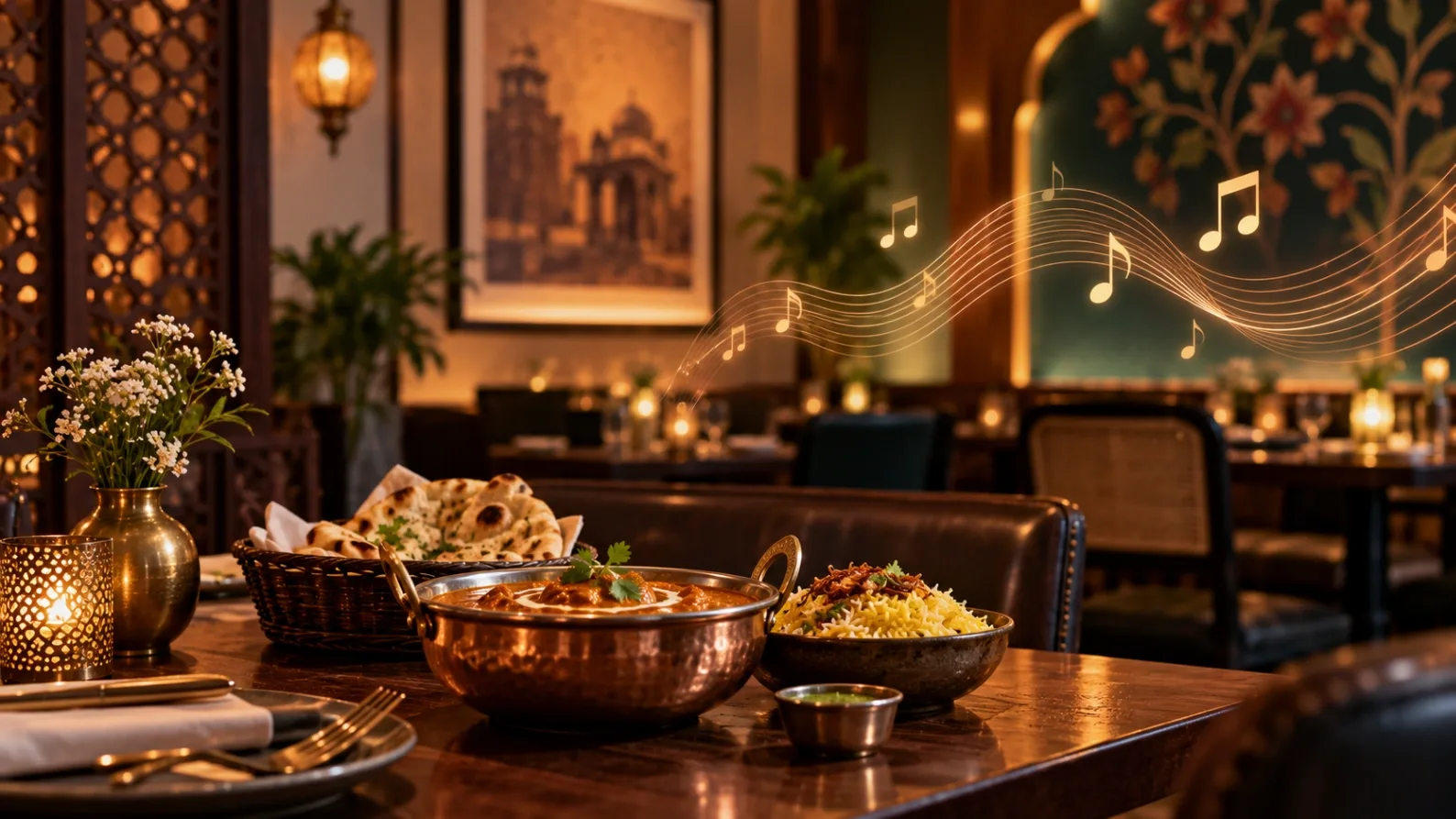
The customer hears a soundtrack, but the business is really managing attention, comfort, brand cues, and operational consistency. Matching music to cuisine can successfully strengthen perceived congruence, but “authentic” absolutely does not mean exclusively playing traditional music. The ultimate, useful goal is a coherent cultural cue that flawlessly fits the enterprise brand and specific daypart. This article turns that academic idea into a highly practical operating framework for stores, restaurants, hotels, and other public-facing venues. Where
Tringbox appears in this guide, it is used strictly as an implementation example rather than as the source of the underlying claim. The academic research or industry standard should stand firmly on its own even if the enterprise reader chooses a fundamentally different software platform. The editorial objective here is broad: to answer the operational question completely enough that a procurement or brand team does not need exaggerated neuroscience, invented demographic percentages, or unsupported legal guarantees to successfully execute a highly functional acoustic policy.
1. The New Evidence on Cultural Congruence
Quasi-Experimental Findings: A prominent 2026 hospitality study utilized scenario and quasi-experimental designs specifically across Italian, Korean, French, and Chinese restaurant contexts. The rigorous academic findings indicate that culturally aligned background music significantly increased perceived music-setting congruence. This powerful alignment actively improved consumer perceptions of dining quality and overall value for money.
Operational Reality: However, for a multi-location venue operator, the core question is whether this academic finding can be successfully translated into a repeatable algorithmic rule that seamlessly survives chaotic shift changes and massive busy periods.
The Governance Test: This is fundamentally an observability question for corporate IT and operations. If corporate head office cannot instantly open a dashboard and see whether the intended culturally congruent behaviour actually happened on the store floor, the feature is functionally impossible to comprehensively govern at scale.
2. What This Means for Indian Restaurants
Nuanced Cultural Cues: A contemporary Punjabi restaurant, a modern coastal kitchen, an upbeat pan-Asian cafe, and a deeply luxurious Indian fine-dining brand absolutely should not use the exact same generic cultural cues. The right music can intelligently reference regional identity without ever becoming a clumsy stereotype or turning the premium venue into a cheap theme park.
Managing the Scale: The operational distinction between a curated playlist and an automated engine is easy to miss in a quick 15-minute demo, but it becomes critically important once dozens of remote sites, different regional dayparts, and aggressive frontline staff overrides are involved.
Repeatability over Flash: A highly useful enterprise implementation actively makes the overarching cultural rule completely visible to head office, heavily constrained for local teams, and instantly recoverable when hardware goes wrong. The ultimate useful benchmark is flawless repeatability across locations, not whether the generative feature looks impressive in one carefully prepared boardroom demonstration.
3. Avoiding the Authenticity Trap
Interpreting the Brand: Commercial in-store music must precisely reflect the brand’s sophisticated interpretation of the cuisine, not an outsider’s lazy caricature. Modern regional artists, complex instrumental textures, intelligent language blends, and global genres can all be entirely legitimate if the total acoustic environment feels culturally coherent. Verifying Execution: For massive multi-location brands attempting to unify this experience, the platform's capability must be explicitly measurable through deep playback logs or centralized dashboard reports so that flawless execution at the local store level can be verified rather than blindly assumed.
The Acceptance Test: This is exactly where physical pilot design matters most: the exact same dynamic feature can look incredibly impressive in a tightly controlled sales demo yet behave very differently under weak network connectivity or highly unusual trading conditions. For the enterprise buyer, this section must end in a concrete acceptance test: what exactly must happen autonomously to maintain cultural coherence, who is explicitly allowed to override it locally, and what undeniable digital evidence proves the AI system behaved correctly?
4. Daypart and Environmental Energy
Balancing Culture with Context: Cultural congruence absolutely does not override the fundamental energy shift required between a quiet morning breakfast service and a chaotic evening dinner rush, nor does it override changing guest demographics or service formats.
Dynamic Pacing: A sophisticated soundtrack can remain deeply culturally aligned while actively changing tempo, rhythmic density, and vocal prominence autonomously throughout the day. Seen this way, the enterprise buyer is evaluating a critical operating control, not simply another subjective background playlist option.
Observability Under Pressure: The ultimate test is whether the acoustic experience remains flawlessly coherent when the venue is highly crowded, unexpectedly quiet, totally offline, dangerously understaffed, or operating wildly outside its normal routine. If head office cannot instantly verify whether the intended contextual behaviour occurred, the system fails the governance test.
5. How Tringbox Enters Naturally
Encoding the Guardrails: A restaurant brand can rigorously encode its specific cuisine, sonic brand personality, and permitted regional/language styles as unbreakable algorithmic guardrails. It can then securely allow a context-aware system like Tringbox AI to dynamically adapt the energy within those strict boundaries based on live time, weather, and specific venueType. Moving Beyond Fixed Playlists: That is a vastly more sophisticated and scalable approach than simply looping one fixed, stereotypical “Indian restaurant” playlist. In modern corporate procurement, this capability should become a rigorous physical test case rather than a spreadsheet line item: boldly ask the software provider to dynamically demonstrate this adaptive behaviour in a highly realistic, multi-tiered location structure.
Reducing Manual Friction: The distinction is easy to miss in a polished demo, but it dictates the daily employee experience. A truly mature implementation keeps the creative cultural intent perfectly intact while drastically reducing the number of small, distracting operational decisions frontline hospitality employees have to make during a chaotic shift.
6. Frequently Asked Questions (Q&A)
Q: Why shouldn't an Indian restaurant just play traditional classical Indian music all day?
A: While traditional music is deeply authentic, it may not mathematically fit the desired energy level or the brand's modern persona. A contemporary brand often benefits more from fusing regional instrumentation with modern global tempos, keeping the cultural cue without sacrificing the energetic vibe.
Q: How does 'venueType' affect cultural music programming?
A: The venueType provides the architectural and demographic context. A high-turnover QSR serving Indian street food requires high-tempo, culturally adjacent electronic beats to drive table turnover, whereas a luxury Indian fine-dining venueType requires slow, complex instrumental textures to encourage lingering and higher spend.
Q: Can an AI system actually balance cultural authenticity with daily energy shifts?
A: Yes. Advanced platforms use metadata to filter tracks by cultural tags while the AI engine autonomously selects the specific tempo and acoustic energy based on live environmental telemetry (like time of day and weather).
Q: Disclaimer:
This blog is general marketing content and not legal advice. Music licensing obligations can vary significantly by repertoire, rights owner, exact usage type, physical location, and specific contract. Brands should always rely on their commercial agreements and professional legal counsel for final compliance decisions.
Conclusion
The Final Note
Use the emerging academic research on cultural congruence as a strong hypothesis, not an absolute guarantee. Intelligently test the idea in the real architectural acoustics, live customer mix, and chaotic trading patterns of your physical venue. Document the exact acoustic rule before selecting the software tool, demand irrefutable proof-of-play observability, and permanently adopt the policy only if the empirical data and frontline staff experience actively support it. By leveraging advanced, context-aware platforms that rigorously respect brand guardrails without ever relying on manual curation, Indian restaurants can finally turn cultural resonance into a highly dependable, revenue-protecting business advantage.