
Top In-Store & Omnichannel Retail Websites in the World

Bridging the Digital and Physical Worlds: How Leading Brands Dominate Omnichannel Retail

R
Rohit Verma
Soundscape Strategist

Published

Jun 29, 2026

Read Time

8 min read
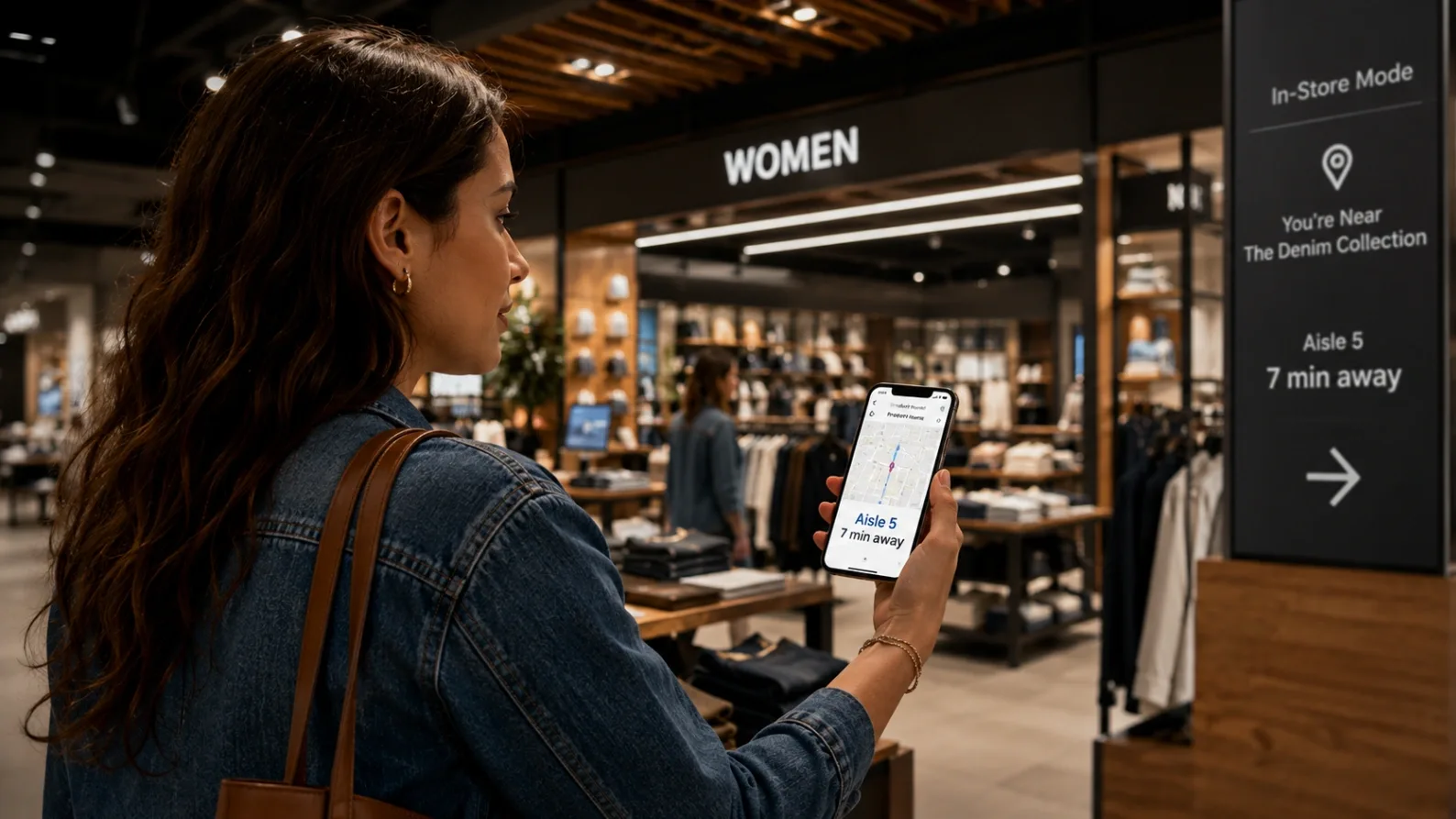
A consumer using a smartphone app to navigate and scan products inside a modern retail store
In 2026, the dividing line between 'online shopping' and 'in-store shopping' has completely dissolved. The best retail brands no longer operate separate digital and physical ecosystems; instead, they merge them into a singular, unified omnichannel experience. The modern consumer expects to browse inventory online, utilize augmented reality to visualize products, check real-time stock levels at their local store, and seamlessly transition to a physical location for pickup, fitting, or personalized consultations. From finding the exact aisle location of a product on a smartphone to booking beauty services through a digital portal, the digital interface has become the ultimate shopping companion. The companies leading this retail revolution are leveraging AI, mobile commerce, data analytics, and hyper-personalized customer profiles to drive physical foot traffic. In this comprehensive guide, we explore the top retail websites and digital platforms in the world that are redefining the in-store experience, proving that the future of retail is a frictionless blend of clicks and bricks.

1. Target: The Gold Standard for Digital-to-Physical Convenience

Target.com and its highly integrated mobile ecosystem stand as the benchmark for bridging digital browsing with physical fulfillment. Target has heavily invested in transforming its website into a direct portal to its physical footprint.
The standout feature of Target's digital strategy is its industry-leading 'Drive Up' and 'Order Pickup' services. Customers can browse and purchase via the website or app, and advanced geofencing technology automatically alerts the store when the shopper is approaching, ensuring the order is delivered to their vehicle almost immediately upon arrival.
Target Circle, the brand's revamped loyalty program, is deeply woven into the fabric of the website. Whether a shopper is adding items to their online cart or using the app to scan physical barcodes in-store to instantly apply digital coupons, the account data remains perfectly synchronized.
For customers who prefer to shop inside, the website and app offer real-time inventory tracking down to the exact aisle and shelf location, essentially serving as a personal digital map for the physical store.
By seamlessly combining robust e-commerce capabilities with frictionless in-store pickup, returns, and digital couponing, Target has mastered the omnichannel approach, creating immense loyalty among convenience-driven consumers.

2. Sephora: Blending Virtual Beauty with In-Store Expertise

Sephora has long been a pioneer in creating digital experiences that directly enhance and encourage in-store visits. Their website serves as a highly interactive hub that complements the tactile experience of testing cosmetics in person.
A major driver of their omnichannel success is the 'Virtual Artist' tool. Shoppers can use their webcams or mobile cameras to virtually try on thousands of lipstick shades, eyeshadows, and false lashes using advanced augmented reality (AR). If they like the look, the website immediately shows which local stores have the items in stock.
The Sephora website also functions as a booking engine for physical stores. Customers can seamlessly schedule in-store makeovers, beauty classes, and personalized skincare consultations directly from the digital platform.
The Beauty Insider rewards program is meticulously tracked across all touchpoints. A customer can read online reviews, save items to their digital 'Loves' list, and then pull up that exact list on an associate's tablet when they arrive at the store for tailored recommendations.
By using digital tools to remove the friction of discovery and booking, Sephora ensures that the digital website and the physical store act as extensions of one another rather than competing channels.

3. Nike: The Data-Driven Athletic Ecosystem

Nike's approach to omnichannel retail is entirely focused on personalization, community, and exclusive access. The Nike website and its suite of companion apps create a highly individualized profile for every shopper that dictates their in-store experience.
A key innovation is the 'In-Store Mode' feature. When a user with the Nike app enters a flagship Nike store, the interface transforms. It allows shoppers to scan barcodes to request specific sizes to be brought to a fitting room, bypassing the need to flag down an associate.
Nike's digital presence prioritizes its physical 'House of Innovation' locations. Customers can reserve highly coveted sneakers online and pick them up via secure in-store lockers, blending digital hype drops with physical fulfillment.
The website serves as a gateway to Nike's broader ecosystem, syncing data from the Nike Run Club and Nike Training Club apps. This data is often used by in-store experts to recommend the perfect shoe based on a customer's digitally tracked running metrics.
By treating the website not just as a store, but as a membership portal, Nike ensures that its most loyal online users receive VIP treatment the moment they step through the physical doors.

4. The Home Depot: Navigating the Warehouse Digitally

For a retailer built on massive warehouse-style stores, digital navigation is crucial. The Home Depot's website is specifically engineered to make the intimidating physical shopping experience manageable and efficient for both DIYers and professional contractors.
The standout feature of The Home Depot's digital strategy is its incredibly precise in-store product locator. When a user sets their local store on the website, every product page displays not only real-time stock levels but a 3D map pinpointing the exact aisle and bay where the item is located.
The website embraces augmented reality (AR) heavily, allowing users to visualize large appliances, patio furniture, or paint colors in their own homes before heading to the store to finalize the purchase or set up installation services.
For professional contractors, the website offers tailored portals for bulk ordering, job-site delivery tracking, and streamlined in-store pickup (Pro Desk), ensuring that digital tools speed up their physical workflows.
The Home Depot proves that an in-store website doesn't just drive sales; it serves as a critical utility tool that actively improves the physical shopping journey.

5. Walmart: Massive Scale Meets Micro-Fulfillment

As the largest retailer in the world, Walmart's digital transformation has been monumental. Their website serves as the nerve center for an unparalleled network of thousands of physical stores, turning them into localized micro-fulfillment centers.
Walmart's digital platform allows customers to effortlessly toggle between 'Shipping,' 'Pickup,' and 'Delivery,' providing ultimate flexibility. Their robust curbside pickup infrastructure is completely managed through the website and app.
The website integrates seamlessly with Walmart+, the brand's subscription service. Features like 'Mobile Scan & Go' allow customers to use their phones to scan items as they shop in the physical store and pay digitally, entirely skipping the checkout line.
Walmart uses its website to test innovative physical concepts, such as integrating AI chatbots to help users build digital shopping lists that are automatically mapped to the most efficient walking route in their specific local store.
By digitizing the mundane aspects of big-box retail like checkout lines and inventory searching—Walmart's website elevates the physical shopping experience to be faster and more convenient.

6. IKEA: Planning Digitally, Experiencing Physically

IKEA's website is designed to handle the complex planning and visualization phases of furniture buying, leaving the physical store to serve as an immersive showroom and fulfillment center.
The IKEA website features sophisticated 3D planning tools for kitchens, wardrobes, and living rooms. Customers can spend hours designing their spaces online, save their complex parts lists to their digital accounts, and then visit the store where an associate can pull up the exact digital plan.
The IKEA Place AR functionality allows shoppers to virtually place true-to-scale 3D models of furniture in their rooms. This digital confidence directly drives foot traffic to physical stores for the final purchase.
Because navigating an IKEA store is notoriously time-consuming, the website offers highly accurate stock checking and allows users to generate digital shopping lists complete with the specific warehouse bin and aisle numbers needed for self-service pickup.
IKEA understands that large purchases require physical interaction. Their website acts as the ultimate preparatory tool, ensuring that by the time a customer reaches the physical maze, they are informed, confident, and ready to buy.

7. Apple: The Ultimate Seamless Ecosystem

Apple's retail philosophy treats the website and the physical Apple Store as a single, continuous entity. The transition between browsing online and interacting in-store is arguably the most seamless in the industry.
The Apple website serves as the primary booking engine for the Genius Bar. Customers troubleshoot their issues online, and if a physical repair is needed, their diagnostic data is instantly securely transmitted to the in-store technician before they even arrive.
Customers can configure highly customized MacBooks or iPads on the website and utilize 'Pickup in Store.' Upon arrival, proximity sensors and Apple Wallet integrations can notify staff, ensuring the product is handed over without the customer ever needing to wait in a traditional line.
In-store 'Today at Apple' creative sessions ranging from photography walks to coding classes are heavily promoted and scheduled through the digital interface, transforming the website into an event management platform for the physical space.
Apple's meticulous control over both its digital code and physical architecture ensures that the customer journey remains uninterrupted, visually consistent, and entirely premium.

8. Starbucks: Pioneering the Mobile Order Revolution

While primarily a food and beverage brand, Starbucks operates one of the most successful retail digital platforms globally. Their website and mobile app fundamentally changed how consumers interact with physical cafes.
The 'Mobile Order and Pay' system allows customers to deeply customize complex digital orders, pay in advance, and walk into a physical store to pick up their drink right as it finishes being made, eliminating queueing entirely.
The Starbucks Rewards program is flawlessly integrated into their digital presence. Real-time gamification such as 'Star Dashes' encourages users to visit physical stores during specific times or try new menu items.
The website and app personalize the experience by remembering complex customized drink orders and frequently visited store locations, reducing friction and speeding up the daily routine of millions of customers.
Starbucks proves that a highly functional, reward-driven digital layer can completely optimize the operational flow of a physical retail environment.
Conclusion

The Final Note

The retail landscape of 2026 clearly demonstrates that a brand's website is no longer just a digital catalog or an alternative to physical shopping; it is the ultimate utility tool that powers the in-store experience. Brands like Target, Sephora, and The Home Depot have proven that by offering features like real-time inventory mapping, augmented reality visualization, unified loyalty programs, and frictionless curbside pickup, they can drive immense physical foot traffic. The 'Top In-Store Websites' are those that remove the friction from the physical world by anticipating customer needs in the digital one. As technology continues to evolve with AI and predictive analytics, the most successful retailers will be those who refuse to draw a line between their digital domain and their physical footprint, treating them instead as a singular, harmonious journey.