
Trending In-Store Services Reshaping Retail in 2026

How physical stores are evolving from mere transactional spaces into experiential, hyper-personalized, and service-driven community hubs.

A
Aditya Bansal
Soundscape Strategist

Published

Jul 10, 2026

Read Time

10 min read
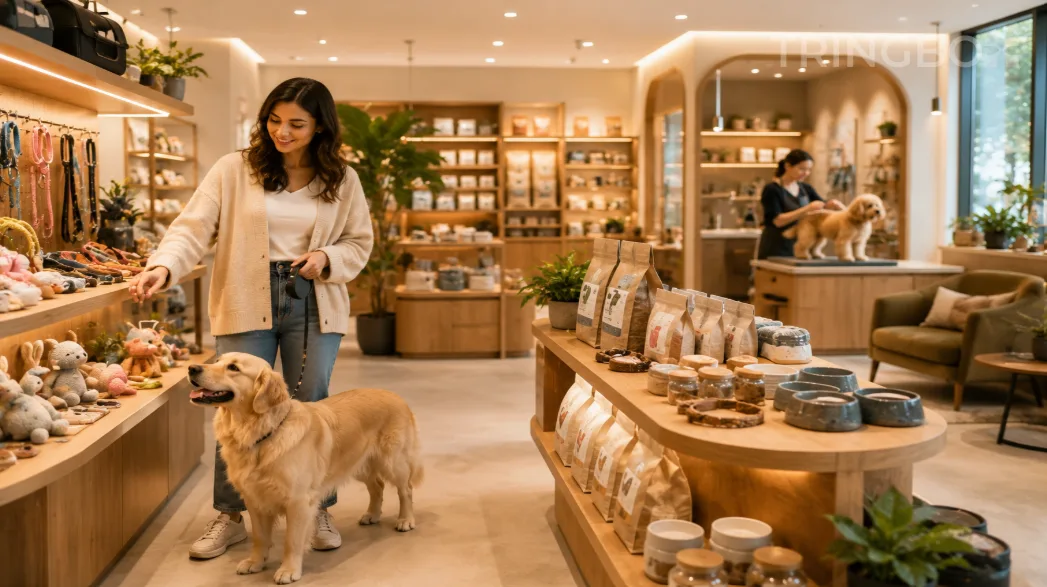
Modern experiential retail store interior with digital displays
The retail landscape of 2026 is undergoing a profound transformation. While e-commerce continues its steady growth, the physical store is far from obsolete; rather, it is being radically reimagined. Gone are the days when a store was merely a room filled with inventory waiting to be purchased. Today, physical retail locations have morphed into dynamic, experiential hubs that prioritize customer engagement, hyper-personalization, and frictionless services. The modern consumer demands more than just a transactional exchange they seek memorable moments, community connection, and seamless integration between their digital and physical worlds. In response, forward-thinking retailers are investing heavily in innovative in-store services that differentiate their brands and foster deep customer loyalty. From AI-powered personalization and augmented reality virtual try-ons to in-house repair shops and wellness anchors, the services offered within brick-and-mortar walls are evolving at an unprecedented pace. This comprehensive guide explores the most impactful in-store service trends dominating the retail industry in 2026, offering actionable insights for brands looking to elevate their customer experience. As we delve into these trends, it becomes evident that the future of retail belongs to those who can seamlessly blend the convenience of digital technology with the irreplaceable human touch of physical services, creating a holistic journey that resonates with the modern shopper's desire for value, sustainability, and authentic connection.

The Phygital Integration: Bridging the Physical-Digital Divide

The concept of 'phygital' retail has fully matured in 2026, breaking down the silos between online browsing and in-store shopping. Retailers are deploying in-store services that fluidly connect the two realms, ensuring a continuous and uninterrupted customer journey. This means that a customer's online cart, wish lists, and past purchase history are instantly accessible to store associates the moment the shopper walks through the door, allowing for a highly contextualized and informed interaction that seamlessly picks up exactly where the digital experience left off.
Interactive digital interfaces, such as smart mirrors and endless aisle kiosks, are becoming standard fixtures across modern retail spaces. These services allow customers to physically touch and feel a product while simultaneously accessing a wealth of digital information, including real-time inventory levels, customer reviews, detailed product specifications, and alternative colorways or sizes that might not be available on the immediate shop floor. This empowers the consumer to make highly informed purchasing decisions independently without needing to consult a mobile device.
Augmented Reality (AR) and Virtual Reality (VR) have transitioned from novelty gimmicks to core, value-adding in-store services. Beauty retailers now offer sophisticated virtual try-on stations where customers can instantly sample dozens of cosmetic shades without the mess of physical testers, while apparel stores provide AR-enabled mirrors that overlay different garments onto the shopper's reflection. These immersive tools not only enhance the sheer fun of shopping but significantly reduce post-purchase return rates by ensuring a better fit and look before the transaction.
Frictionless checkout services continue to rapidly evolve, eliminating the traditional pain point of long, frustrating queues at the cash register. Beyond standard self-checkout kiosks, retailers are widely adopting mobile point-of-sale (mPOS) systems operated by roaming store associates, and 'just walk out' technologies utilizing computer vision and advanced ceiling sensors. This seamless transition from item selection to automated purchase frees up staff to focus on delivering high-value customer service and personalized consultations rather than merely standing behind a counter scanning barcodes.

Hyper-Personalization and AI-Driven Concierge Services

In 2026, hyper-personalization at scale is the defining characteristic of premium in-store services. Powered by sophisticated Artificial Intelligence (AI) and the ethical use of first-party data, retailers can now anticipate customer needs with astonishing, predictive accuracy. Upon entering a store, opted-in customers can be recognized via mobile beacons, immediately triggering personalized welcome messages, store navigation maps, and curated product recommendations sent directly to their smartphones based on their unique style profiles and previous browsing behavior.
The role of the store associate has been fundamentally elevated to that of a highly skilled, personalized concierge, armed with AI-driven tablets that provide real-time insights into a shopper's preferences. This empowers staff to offer highly relevant styling advice, suggest complementary items to complete a specific look, or proactively inform a customer that a previously out-of-stock item on their wish list is now available in their exact size. This shift transforms the associate from a passive clerk into a proactive, trusted advisor.
Dynamic in-store pricing and personalized digital promotions are taking center stage on the physical shop floor. Electronic shelf labels (ESLs) integrated with sophisticated retail media networks allow stores to push customized, time-sensitive discounts to individual shoppers as they navigate the aisles. For instance, a loyal customer lingering in the outerwear section might receive a flash digital coupon for a winter coat they viewed online the night before, effectively bridging the gap between digital intent and physical conversion in real-time.
Personalized in-store services extend far beyond basic product recommendations to include bespoke product creation and localized customization. Shoppers can now access on-site tailoring, monogramming, and even state-of-the-art 3D printing stations to modify products to their exact physical specifications. Whether it's blending a custom fragrance on demand, designing a personalized pair of athletic sneakers, or engraving a piece of jewelry while they wait, these services offer a level of exclusivity and individual expression that cannot be easily replicated by standard e-commerce.

Experiential Retail and Community-Centric Spaces

The physical store is increasingly being designed as a destination for profound experiences rather than just a venue for transactional acquisition. Experiential retail in 2026 focuses intensely on creating memorable, highly shareable moments that forge an emotional connection between the brand and the consumer. Retailers are dedicating significant square footage to interactive art installations, immersive sensory rooms, and visually stunning architectural displays that invite shoppers to engage deeply with the brand narrative in a physical, tangible way.
Stores are intentionally transforming into localized community hubs, hosting regular events, interactive workshops, and educational classes that align closely with their brand identity and their target audience's broader interests. A sporting goods store might offer weekend yoga classes or marathon running clinics, while a home improvement retailer hosts DIY workshops on sustainable urban gardening. These community-focused services give consumers a compelling, non-sales reason to visit the store regularly, thereby extending dwell time and fostering a deep sense of belonging and loyalty.
In-store dining and premium hospitality services are becoming incredibly powerful retail anchors. Recognizing that shopping is inherently a social and recreational activity, brands are integrating high-quality artisan cafes, organic juice bars, and even full-service, chef-driven restaurants into their physical floor plans. These spaces provide a comfortable, aesthetic area for shoppers to relax, recharge, and socialize, effectively transforming a quick shopping trip into an extended, multi-sensory leisure activity that encourages lingering and additional spending.
Innovation labs and collaborative co-creation spaces are emerging prominently within major flagship stores, actively inviting customers to participate in the actual product development process. Shoppers can test early prototypes of upcoming releases, provide direct, real-time feedback to visiting design teams, and participate in lively focus groups. This collaborative service not only generates invaluable consumer insights for the brand but makes the customer feel deeply valued and heard, strengthening their emotional investment and transforming them from passive consumers into active, vocal brand advocates.

The Circular Economy and Sustainable In-Store Services

Sustainability is no longer a fringe marketing concern but a central, non-negotiable pillar of retail strategy in 2026. In-store services are strongly reflecting this cultural shift through robust circular commerce initiatives. Retailers are establishing dedicated 'recommerce' counters where customers can trade in their gently used items for immediate store credit. These items are then refurbished, professionally cleaned, and resold in specialized, highly curated in-store sections, appealing directly to the massive, growing demographic of value-conscious and fiercely eco-minded shoppers.
Repair and localized maintenance services are experiencing a massive, celebrated resurgence. Rather than quietly encouraging a disposable culture of constant replacement, brands are proudly offering in-house repair shops to significantly extend the lifecycle of their products. From patching up premium denim and resoling expensive leather boots to fixing broken consumer electronics and restringing tennis rackets, these services emphasize quality, durability, and a strict commitment to reducing waste, building immense trust with environmentally conscious consumers.
In-store recycling and creative upcycling stations have become ubiquitous across almost all retail sectors. Customers are financially incentivized to bring in empty cosmetic containers, old garments, or obsolete tech devices for responsible, verifiable recycling in exchange for loyalty points or future purchase discounts. Forward-thinking retailers take this a brilliant step further by offering hands-on upcycling workshops where customers can learn how to transform old items into new, highly functional pieces, turning a corporate sustainability initiative into an engaging educational experience.
Deep transparency and detailed traceability services are being integrated directly onto the physical shop floor. Using interactive touch displays or easily scannable QR codes placed on item tags, customers can instantly access detailed, verified information about a product's origin, the ethical standards of its manufacturing process, and its overall lifetime carbon footprint. Providing this level of radical, unapologetic transparency empowers shoppers to make confident choices aligned strictly with their personal values and effectively holds brands publicly accountable for their environmental and social impact.

Reengineering Returns as a Value-Added Service

Historically viewed as a logistical nightmare and a massive drain on overall profitability, the concept of returns has been completely reimagined in 2026 as a critical customer acquisition and long-term retention tool. Retailers now offer frictionless, no-questions-asked return bars prominently situated at the very front of their stores, specifically designed to process online returns rapidly. By making the return process as incredibly easy and pleasant as the initial purchasing process, brands significantly increase the likelihood that a customer will shop with them again.
The strategic concept of 'return and discover' is being actively and aggressively utilized by top-tier retailers. When a customer brings an item back, highly trained, empathetic associates use the opportunity to understand exactly why the product didn't work out and immediately suggest tailored, superior alternatives available right there in-store. This consultative, helpful approach frequently converts a potential total refund into a lateral exchange or even a lucrative upsell, recovering lost revenue while providing a highly personalized service that leaves the customer genuinely satisfied.
Consolidated, third-party return services are gaining massive traction, where a single, convenient physical location seamlessly accepts unboxed returns for multiple online-only brands or various competing retailers. This provides immense, stress-free convenience for the consumer, allowing them to complete all their assorted return errands in one single trip. For the host retailer facilitating this service, it drives significant, highly measurable foot traffic into their store, creating new, daily opportunities for impulse purchases and organic customer acquisition from a diverse pool of shoppers.
Advanced predictive return technology is being heavily deployed right at the point of physical or digital sale. If a customer is in the process of buying a statistically highly returned item, the associate or digital interface might proactively offer specific sizing and fitting advice, suggest trying it on immediately in the store's smart fitting rooms, or provide detailed, customized care instructions. By actively addressing potential issues before the customer even leaves the store premises, retailers provide a proactive service that dramatically reduces the sheer volume of post-purchase returns.

Wellness as Retail's New Anchor Tenant

The age-old definition of 'retail therapy' is taking a very literal and physiological turn in 2026, with comprehensive wellness services emerging as the major anchor tenants in shopping centers and large, big-box retail formats. As modern consumers increasingly and aggressively prioritize their physical and mental health, retailers are integrating dedicated, tranquil wellness zones directly into their active stores. This highly popular inclusion features on-site nutritionists, express mini-spas, infrared saunas, and guided meditation pods, offering an oasis of calm and rejuvenation amidst the bustling retail environment.
Primary healthcare services are moving directly and seamlessly into everyday retail spaces. Neighborhood pharmacies and massive grocery chains have expanded far beyond basic flu shot clinics to offer comprehensive diagnostic testing services, targeted physical therapy sessions, and even highly specialized lifestyle treatments like IV hydration therapy and custom vitamin infusions. This strategic convergence of traditional retail and modern healthcare makes essential wellness services incredibly accessible to the public, driving consistent, high-frequency foot traffic and permanently cementing the store's role as a vital community resource.
High-end fitness studios and performance activewear brands are beautifully blurring the distinct lines between selling physical products and fully facilitating the athletic lifestyle. Leading brands are incorporating full-scale, professional workout studios, indoor rock climbing walls, and simulated outdoor climate environments directly into their retail footprints. Customers can rigorously test running shoes on an indoor smart-track, try out extreme camping gear in a temperature-controlled sub-zero room, or take a high-intensity interval training class right next to the apparel racks, fully immersing themselves in the brand's active ethos.
Mental wellness and inclusive, sensory-friendly services are gaining massive mainstream recognition and implementation. Acknowledging that the traditional, hyper-stimulating shopping environment can be overwhelming for many, progressive retailers are introducing scheduled 'quiet hours' featuring drastically dimmed lighting, halted music, and significantly reduced noise levels. Additionally, stores are providing dedicated sensory retreat rooms where overstimulated shoppers can safely decompress. These thoughtful, inclusive services cater specifically to neurodivergent individuals and anyone seeking a low-stress shopping experience, demonstrating a deep, genuine commitment to holistic customer well-being.

Flexible and Modular Store Design Services

To keep aggressive pace with rapidly, sometimes chaotically changing consumer micro-trends and highly specific seasonal demands, the physical architecture and layout of the store itself has essentially become a flexible, adaptable service. Static, bolted-down permanent fixtures have been entirely replaced by sleek, modular, movable displays and smart, kinetic shelving systems. This allows nimble retailers to completely and safely reconfigure their store layouts overnight, effortlessly hosting a high-profile fashion runway show on Friday evening and easily returning to a standard, optimized merchandising layout by Saturday morning without requiring expensive outside contractors.
Dynamic pop-in concepts and constantly rotating brand residencies are flourishing across the retail sector. Large, established retailers purposefully dedicate specific, high-visibility zones within their stores to intentionally host emerging local brands, independent neighborhood artisans, or specialized, previously digital-native companies on a strict short-term basis. This popular 'store-within-a-store' service continually and reliably refreshes the overarching product assortment, offering loyal, returning customers new and exciting reasons to visit frequently while providing vulnerable small businesses with invaluable, highly trafficked physical exposure.
Hyper-localized curation is becoming a highly sophisticated, data-driven service standard. Using advanced localized data analytics and predictive modeling, stores in different neighborhoods continuously and automatically adapt their physical inventory and interior aesthetic to perfectly reflect the specific demographic makeup and cultural nuances of their immediate community. A store in a bustling, trend-focused urban center might heavily prioritize quick-grab-and-go services and exclusive high-fashion items, while a suburban location strictly focuses on family-oriented interactive events and economical bulk purchasing options, ensuring the store remains fiercely hyper-relevant to its local patrons.
Community-focused retailers are generously offering their physical spaces as a public service to the surrounding neighborhood during off-hours. Modern store environments are being purposefully designed with adaptable infrastructure to easily transition into local community centers, town hall meeting spaces, or even collaborative co-working hubs when not actively operating as traditional retail spaces. By fully maximizing the diverse utility of their expensive real estate, brands foster deep, unshakable goodwill within the community, generate reliable alternative revenue streams, and maintain a vibrant, continuously active presence around the clock.

Omnichannel Fulfillment and the Store as a Micro-Hub

The traditional physical store has rapidly evolved into a highly efficient, localized micro-fulfillment center, serving as an absolutely critical node in the broader corporate supply chain network. Core omnichannel services like Buy Online, Pick Up In-Store (BOPIS) and seamless Curbside Pickup have been optimized to an exact science. Dedicated, automated pickup lockers and streamlined, heavily signed drive-thru lanes ensure that time-pressed customers can securely retrieve their online orders in mere minutes without ever having to navigate the main store aisles, providing the ultimate, frictionless convenience.
Hyper-local ship-from-store services have completely revolutionized delivery speeds and logistics expectations. By intelligently utilizing local store inventory to instantly fulfill online orders from nearby geographical customers, retailers can entirely bypass massive, heavily congested centralized warehouses, significantly reducing both shipping times and environmental costs. This incredibly agile framework enables traditional brands to offer aggressive same-day or even rapid two-hour delivery services in densely populated urban areas, fiercely competing with pure-play e-commerce logistics giants and easily meeting the modern consumer's demand for instant, on-demand gratification.
Store associates are being deeply empowered with advanced mobile fulfillment applications and wearable tech, allowing them to seamlessly and effortlessly pivot between serving active in-store customers and rapidly picking, packing, and dispatching digital online orders during naturally quieter periods on the shop floor. This highly effective dual-role service expertly maximizes expensive labor efficiency and ensures that physical inventory is constantly moving. Advanced, AI-backed inventory management systems provide real-time, pinpoint accuracy across all channels, permanently preventing out-of-stock disappointments and ensuring that both online and physical shoppers have guaranteed access to available goods.
Premium concierge delivery and luxurious white-glove setup services are becoming a massive, non-negotiable key differentiator for high-end brands. Moving far beyond basic, impersonal doorstep drop-offs, luxury retailers are offering highly personalized delivery where a trained, knowledgeable brand ambassador not only safely delivers the product but provides comprehensive, unhurried setup, expert fitting, or professional styling advice directly in the customer's own home. This deeply high-touch, empathetic service seamlessly extends the premium brand experience well beyond the physical store walls, building profound, lifelong customer relationships and heavily minimizing the likelihood of returns for complex or high-value lifestyle items.
Conclusion

The Final Note

As we navigate the complexities of the 2026 retail landscape, it is abundantly clear that the physical store is experiencing a renaissance rather than a decline. However, the rules of engagement have fundamentally changed. To thrive, retailers must shed the traditional mindset of stores as mere distribution points and embrace their new role as multifaceted, service-driven destinations. The trending in-store services of 2026 ranging from hyper-personalized AI concierges and immersive phygital integrations to robust circular economy initiatives and holistic wellness anchors all share a common goal: to deliver unprecedented value, convenience, and emotional resonance to the consumer. Shoppers today are looking for meaningful interactions, community, sustainability, and flawless omnichannel execution. Brands that invest in these advanced in-store services will not only differentiate themselves in a crowded marketplace but will forge resilient, long-lasting relationships with their customers. The future of retail is dynamic, experiential, and deeply human-centric, supported by the invisible backbone of advanced technology. By transforming the physical space into an environment of discovery, service, and connection, retailers can ensure their brick-and-mortar locations remain a vital, profitable, and beloved component of their overall business strategy for years to come.